
The Nigerian National Health Insurance Scheme (NHIS) was launched in 2005 but has faced challenges over the years, achieving only about 7 percent coverage of the population. In response to this, state governments have begun decentralizing the NHIS by establishing their social health insurance systems.
For example, the Anambra State Health Insurance Scheme (ASHIS) was created in 2016 specifically to tackle health inequities and reduce high out-of-pocket expenditures for residents. The goal is to work towards achieving Universal Health Coverage (UHC) by 2030.
The ASHIS enrollees are entitled to a benefit package that comprises preventive, promotive, and curative services, provided at primary, secondary, and tertiary healthcare facilities.

The Ufudo Foundation, in collaboration with the Nnobi USA Diaspora Health Group and the Okigbo Family, has successfully enrolled over 700 Nnobi indigenes in the health insurance program.
We commend their efforts, as well as those individuals who have privately enrolled members of their kindreds in the same program.
Health insurance plays a crucial role in protecting against high medical costs by distributing the financial burden of medical expenses between the insured and the insurer. It significantly reduces costs associated with hospital stays, surgeries, and treatments for serious illnesses, which can be prohibitively expensive without coverage.
As more individuals and groups in Nnobi participate in this insurance scheme, it is vital to ensure that coverage reaches those who need it most.
Prioritizing the enrollment of chronically ill community members—particularly those who frequently visit hospitals or purchase low-quality medications from chemists(without prescription)—will allow Nnobi indigenes to fully benefit from the Anambra State Health Insurance Scheme.
ASHIS offers several advantages:
- Comprehensive Coverage: Plans like ASHIS provide essential benefits, including hospital care, specialist visits, and prescription drugs, which are critical for managing chronic conditions.
- Financial Protection: Insurance covers a substantial portion of medical expenses, thereby reducing the risk of incurring medical debt.
- Access to Care: Health insurance facilitates access to necessary medical services and preventive care, leading to improved health outcomes for those with chronic illnesses.
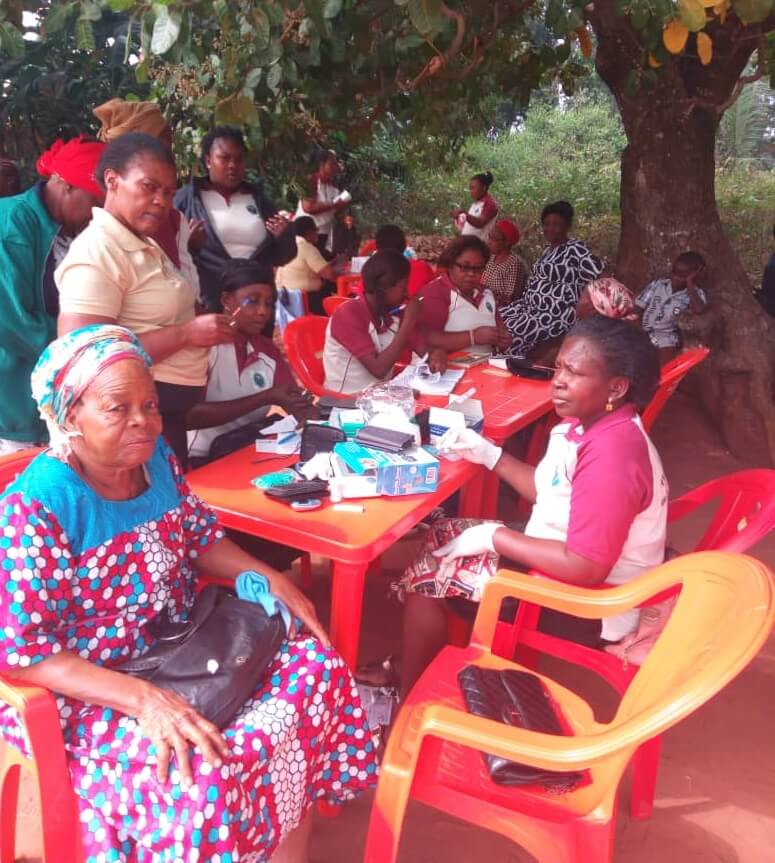
The focus should be on enrolling members who frequently visit hospitals or buy medications for chronic conditions that are better managed in clinical settings.
In the concluding part of this piece, we will discuss how everyone can get involved by volunteering as advocates to maximize the benefits of ASHIS for chronically ill individuals in our villages.
@Churchillnnobi
 Together. We. Can.