
In the first part of this piece, we discussed the benefits of the Anambra State Health Insurance Scheme (ASHIS) and emphasized the importance of prioritizing the enrollment of individuals who frequently visit hospitals or purchase medications for chronic conditions that are better managed in clinical settings.
In this concluding section, we will outline strategies for Nnobi indigenes to effectively utilize Anambra’s insurance scheme. All community members need to participate in the selection process for enrolling individuals from our villages and wards into the program.
Next time you encounter a promotion for community-wide enrollment in the Anambra State Health Insurance Agency Scheme, don’t just observe—get involved! Here are some actions you can take:
Raise Awareness: Inform your family and friends about the program.
Utilize Social Media: Share information on chronic diseases, their impacts, and the importance of early detection and management.
Engage Local Leaders: Contact your village chairman and ward leader to understand their selection process.
Recommend Candidates: Suggest community members who are chronically ill for enrollment.
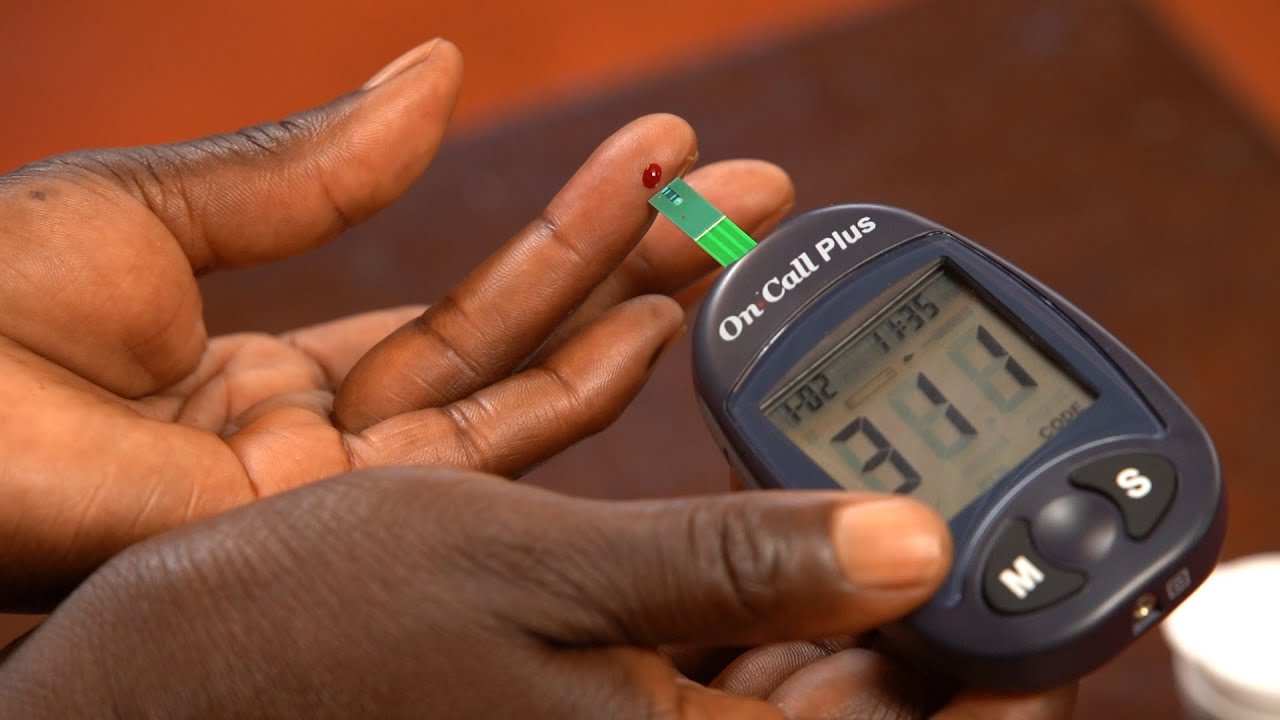
If we do not get involved, the pregnant, would-be pregnant, and chronically ill community members will not receive health insurance coverage and protection.
By working together, we can effectively address the healthcare needs of our most vulnerable individuals.
Sponsors of healthcare initiatives should collaborate with medical and village stakeholders, churches, age groups, and community elders (Ndi Ichie) to create outreach campaigns that raise awareness about available healthcare services and promote preventive care.
This approach builds trust and encourages participation.
Last week, I spoke with Dr. M.C Omenuha who narrated some practical examples of his patients who have benefited from the ASHIS. These include patients whose 10% copays were waived for preventative care treatment and a mother who delivered her baby in his hospital for free.
When we take a moment from throwing punches in WhatsApp Groups and get involved in what matters – health – we can significantly reduce disease burdens and enhance the quality of life through targeted programs focusing on prevention, early intervention, and access to care.

In conclusion, engaging village leaders, healthcare providers, and community members in ASHIS enrollment initiatives fosters a shared responsibility for health outcomes.
Together, we can build a healthier community that prioritizes the needs of its most vulnerable members.
@Churchillnnobi
 Together. We. Can.